
“Comprehensibleantiquity is a participant in the Amazon Services LLC Associates Program, an affiliate advertising program designed to provide a means for sites to earn advertising fees by advertising and linking to http://www.amazon.com. Some links in the following post are affiliate links. When you click on such affiliate links, Comprehensibleantiquity may earn a commission on follow up purchases from Amazon.”
Vocabulary acquisition is key for student success in learning a language. A comprehension based teaching philosophy continues to offer students multiple interactions with vocabulary in context familiar to the student. To optimize acquisition, instruction must seek to provide meaningful input that offers students 90+% known vocabulary.
Class stories, read out louds, circling (make a statement, ask a question based on the statement, repeat negate, repeat, ask a question with a slight detail change), personalized question and answer, one word images and self directed reading are some of the ways that we structure the delivery of comprehensible input (language a student is able to understand).
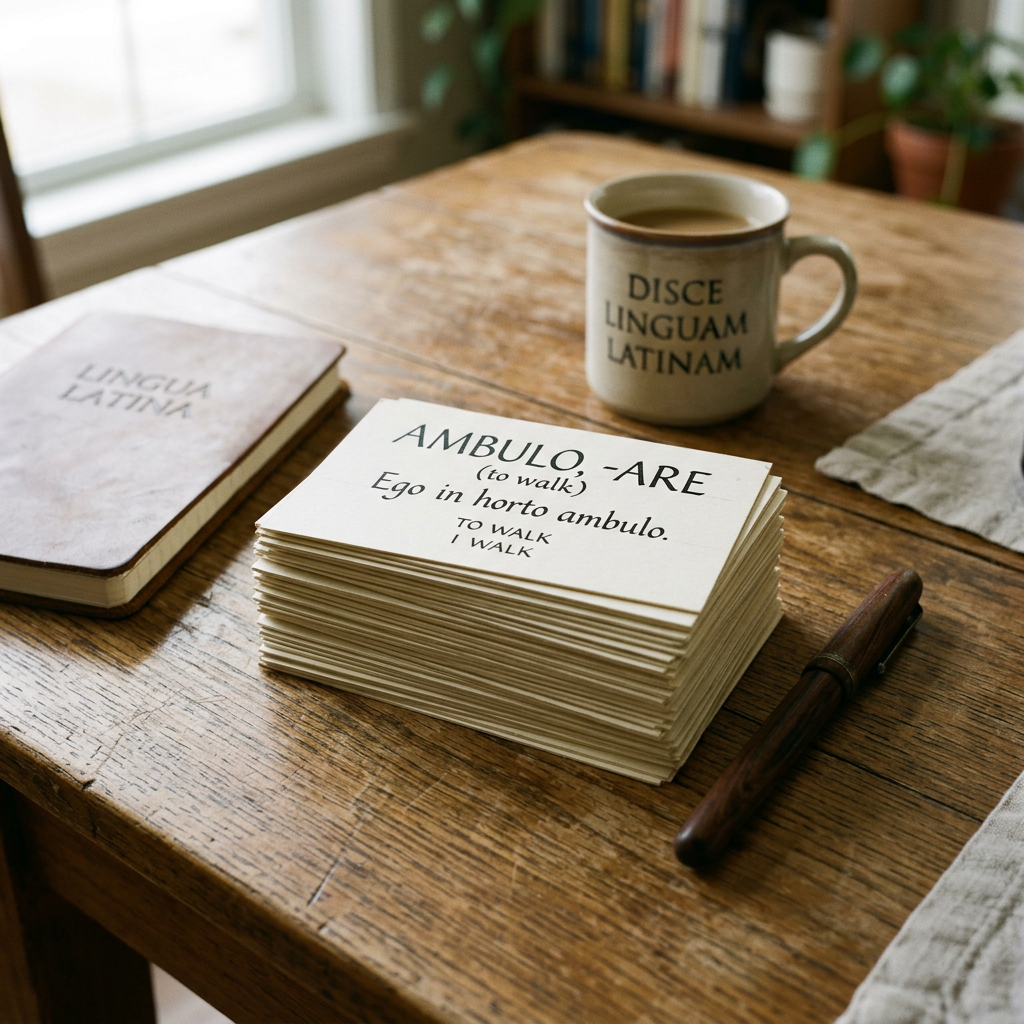
Building vocabulary word decks with students offers a resource to quickly access to offer students novel ways to interact with words. Some keys I consider while building vocabulary decks with students throughout the year.
- 3 x 5 index cards with a cardboard box designed to store trading cards is a great way to store decks
- Connect the creation of decks to other activities – after a class story students write 3 words – offer a prompt for students to decide the words. You can do something similar with any input based activity. Find example activities at the previous link. This creates a deck with a connection to students
- There will be repeat words. Create multiple decks. When there are too many of the same word, redistribute and give a prompt for students to change the word.
- Use the deck of cards to play popular games like head’s up, taboo or apples to apples. Activate the deck with activities such as salad bowl, charades or other vocabulary focused activities.
Continue to build the deck throughout the year. Revisit with students and celebrate all of the words they master. Employ students to organize and refine decks for certain games or to have certain themes. What games or activities do you think a vocabulary deck is useful? Leave a comment to share with one another.
- Acquired Controversies
- All About Proficiency
- Books that leave an impression.
- Disclosure
- During Reading Activities: Create Novelty with Simple Adjustments
- Language Tasks: Data Processing in the Target Language.
- Magister Stoa
- Post Reading Activities: Reading Reps on the Path to Mastery of a Text.
- Recent Posts
- Self Directed Reading: My take on Free Voluntary Reading

